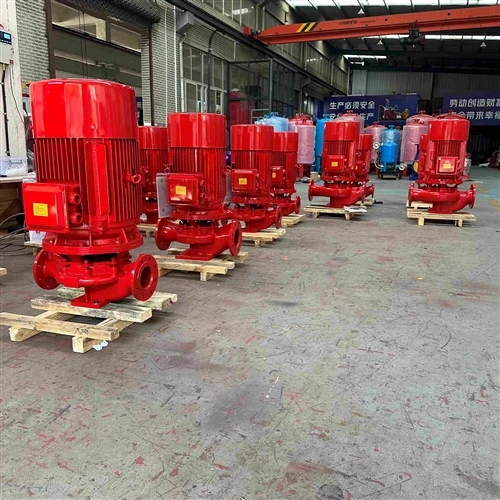
Fire pumps are the core power of building fire water supply systems. Improper selection will lead to insufficient water pressure during fire emergencies and fail fire acceptance. Here is a concise selection guide for contractors, engineers and purchasers.
1. Confirm Building Type & Fire Demand
High-rise residential buildings: Focus on high-lift pumps to guarantee top-floor hydrant pressure.
Shopping malls & complexes: Choose large-flow pumps to support simultaneous sprinkler and hydrant water supply.
Chemical plants & hazardous factories: Adopt explosion-proof diaphragm fire pumps as backup units.
2. Calculate Two Core Parameters
Flow Rate: Sum maximum water consumption of sprinkler and hydrant systems with a 10% safety margin.
Head: Cover vertical height, pipeline resistance and required outlet pressure, follow GB 50974 or NFPA 20 standards.
3. Choose Suitable Pump Type
Centrifugal fire pump (XBD): Main pump for most civil buildings, stable and easy automatic linkage.
Diesel fire pump set: Standby power supply for sites without stable mains electricity.
Pneumatic diaphragm fire pump: Explosion-proof, dry-run resistant for special industrial fire zones.
4. Verify Mandatory Certifications
Domestic projects: Comply with GB 6245 with valid 3CF certification.
Overseas projects: Meet NFPA 20, EN 1028 with CE or UL certificates for project approval.
5. System Matching Tips
Configure one working pump plus one standby pump as standard. Check compatibility with fire control cabinets, pressure stabilizers and underground water tanks for long-term stable standby operation.
If you are unsure about parameter matching for your building project, contact our team for free custom fire pump solutions and quotations.